It’s a common belief that your metabolism starts slowing down...
Read More
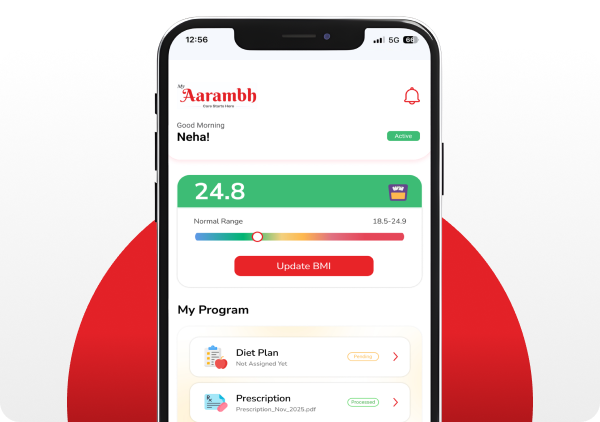
MyAarambh is a patient support platform that helps individuals manage their health better through education, guidance, reminders, tracking, and lifestyle support. It brings everything together in one place to help patients stay informed, motivated, and on track throughout their treatment journey.

Building understanding with simplicity and clarity so you can make informed decisions about your health.

Encouraging progress gently, one step at a time, with dedicated care coordinators by your side.

Continuing alongside your treatment journey and beyond, with compassion at every stage of care.
MyAarambh provides personalised support across multiple health
conditions. Explore resources tailored to you.
Weight management and metabolic
health support for sustainable, long-
term results.
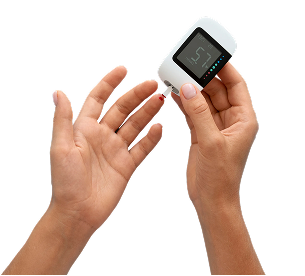
Blood sugar control, lifestyle
guidance, and ongoing support for managing diabetes effectively.
Cardiovascular wellness, risk
reduction strategies, and heart health
monitoring support.
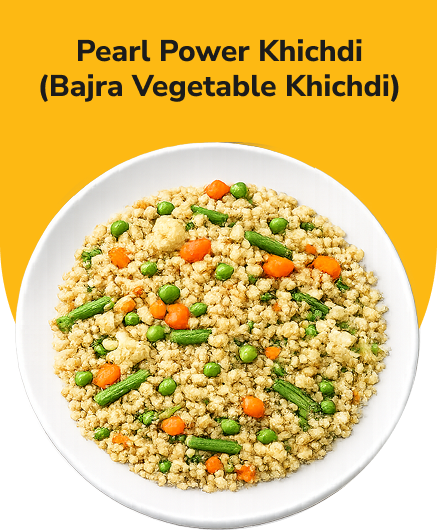
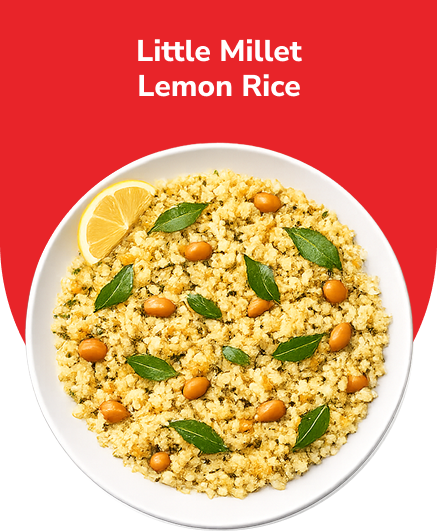
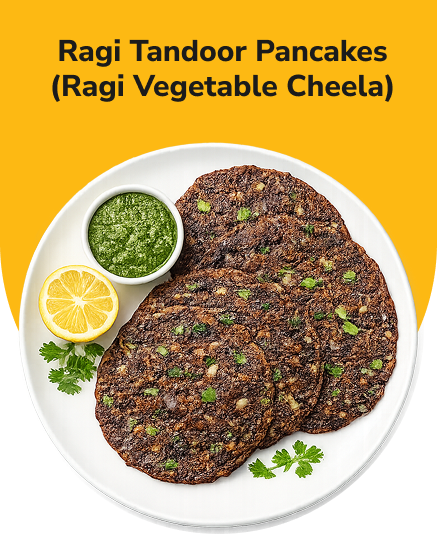
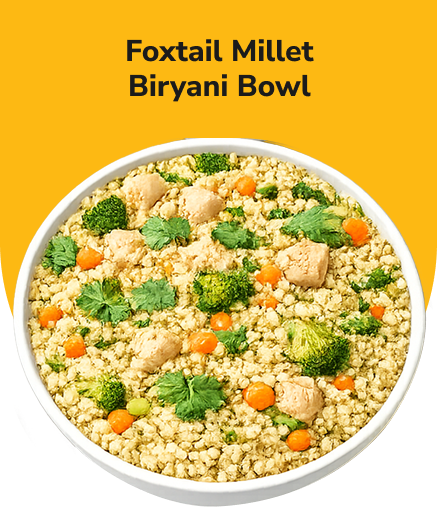
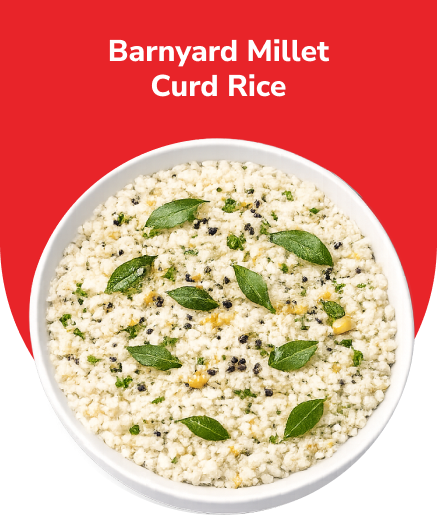
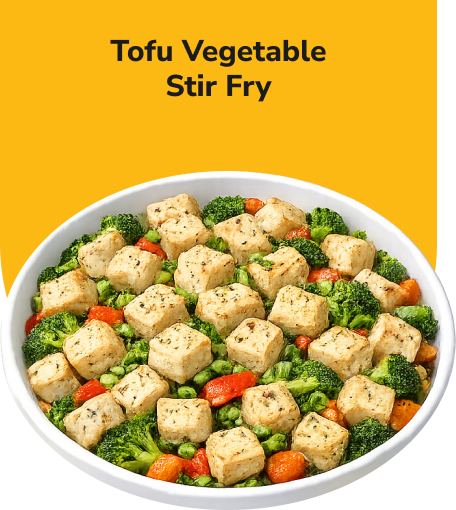
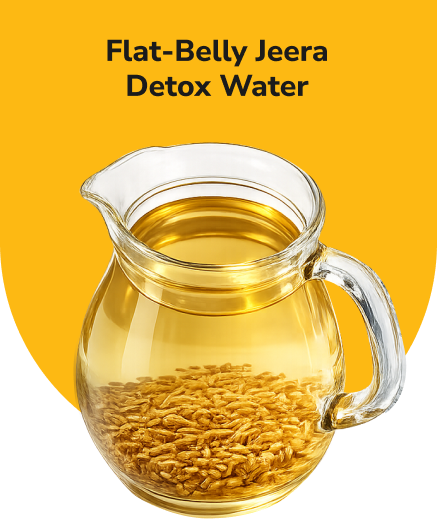
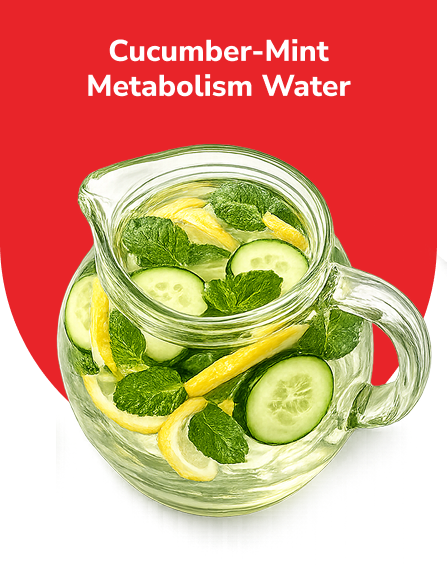
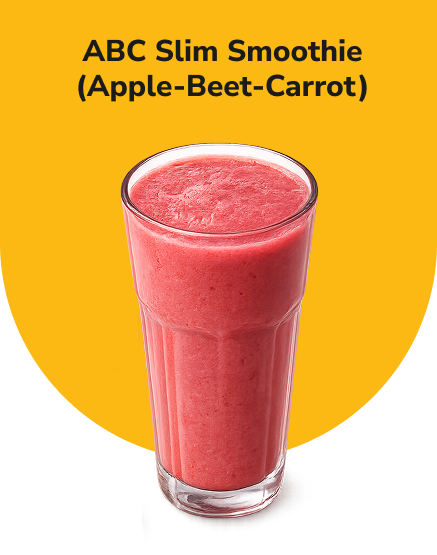
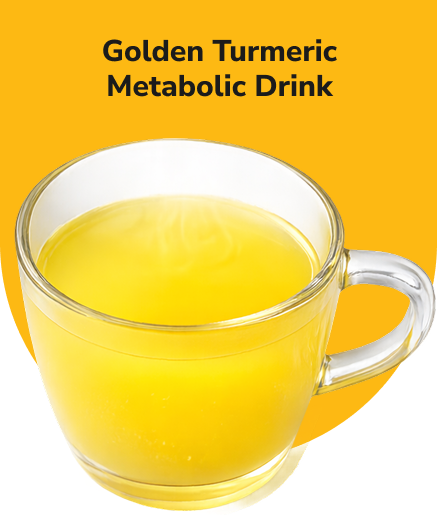
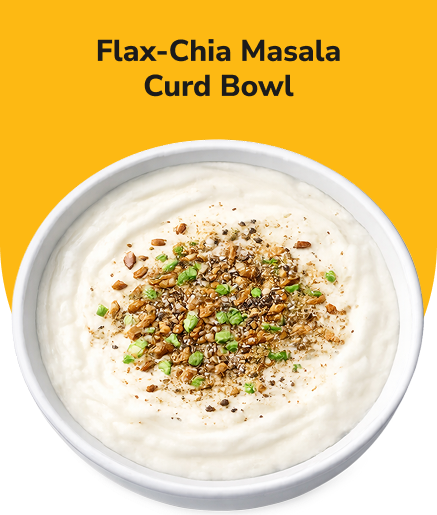
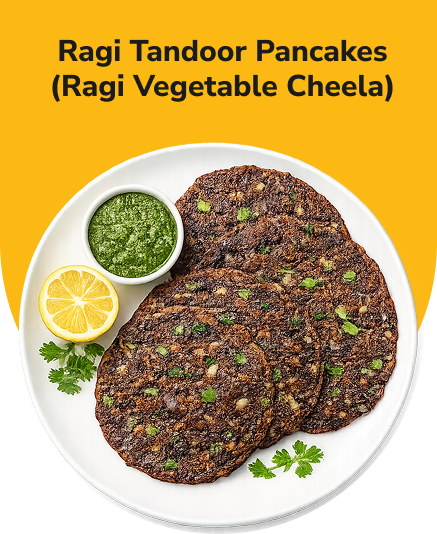
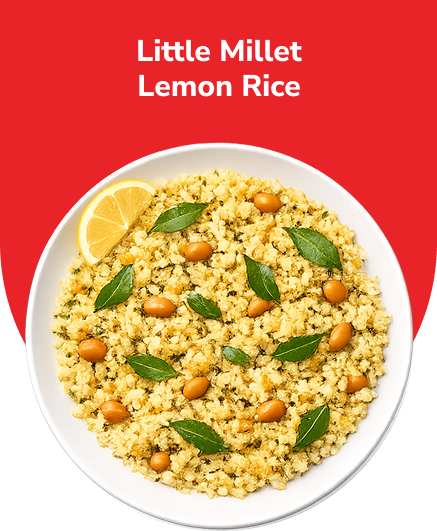
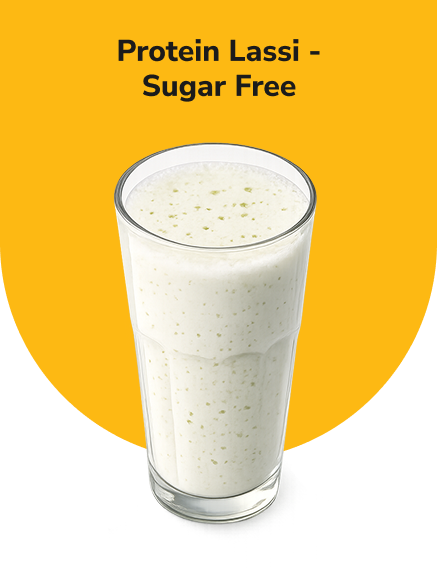
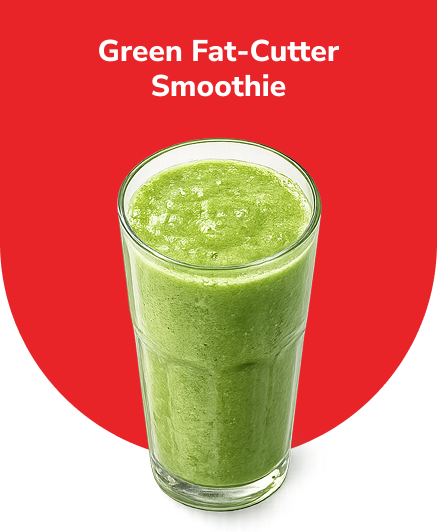
Eating better is not about giving up the foods you enjoy.
It’s about making small, thoughtful choices that support your health over time.
These recipes are designed to be simple, familiar, and easy to include in your daily meals.
Losing weight isn’t about quick fixes or burning off a candy bar with a single workout; it’s about small changes you repeat over time.
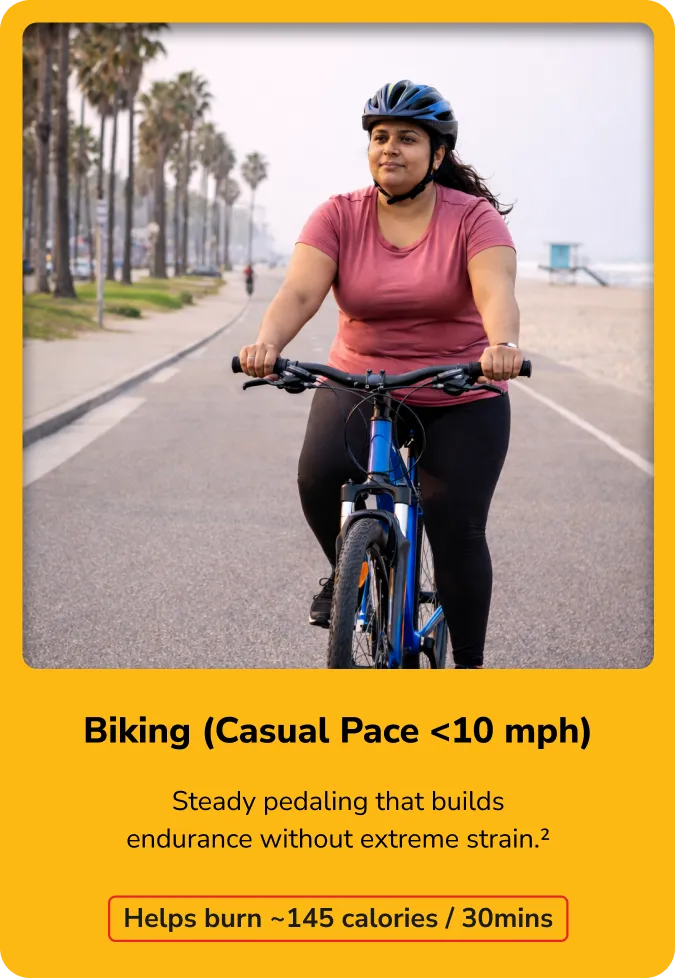
Combining regular activity with mindful eating makes progress more achievable and sustainable.
Exercise also helps your body burn more calories even when you’re not working out, especially if you keep it consistent.1


It’s a common belief that your metabolism starts slowing down...
Read MoreWhen it comes to weight loss, one question comes up...
Read MoreIn today’s fast-paced lifestyle, sleep is often the first thing...
Read MoreWhen you step on a weighing scale and notice a...
Read More
Yes. Even a small weight loss of 5–10% of your current body weight can bring major health benefits. Research shows that this level of weight loss improves blood sugar control, blood pressure, good cholesterol (HDL), triglycerides, joint pain, mobility, mood, and overall quality of life. For specific conditions like PCOS, infertility, fatty liver, and sleep apnea, slightly higher weight loss (10–15%) brings even better improvement
Ryan DH, Yockey SR. Weight loss and improvement in comorbidity at 5%, 10%, 15%, and over. Current Obesity Reports. 2017;6(2):187–194.
Modern weight-loss medicines improve much more than just body weight. A 2025 scientific review shows that semaglutide reduces dangerous belly (visceral) fat, preserves muscle mass, improves blood sugar (HbA1c), lowers bad cholesterol (LDL), reduces hunger, increases fullness, and slows down weight regain when continued long-term. This means the benefits are not just cosmetic but protect internal organs such as the heart, liver, and pancreas.
Sokary S, Bawadi H. Exploring beyond numeric weight loss: the metabolic effects of semaglutide. Clinical Nutrition ESPEN. 2025.
No. Large clinical data show that women with obesity can achieve significant and meaningful weight loss at all stages of menopause — before, during, and after menopause. Although hormonal changes during menopause increase fat accumulation and slow metabolism, the body still responds to structured weight-management interventions. Weight reduction during menopause also helps improve blood sugar, blood pressure, heart health, and quality of life.
Hurtado Andrade MD, Dunsmoor-Su R, Huvinen E, et al. Weight reduction outcomes across menopausal stages from STEP and OASIS 4 trials. Presented at the 43rd Annual Meeting of The Obesity Society (ObesityWeek®); November 4–7, 2025; Atlanta, GA, USA
Yes. A large national Indian study found that nearly half of women diagnosed with PCOS also had obesity. These women showed a very high burden of long-term health problems such as abnormal cholesterol, fatty liver, prediabetes, type 2 diabetes, high blood pressure, and metabolic syndrome. This confirms that obesity in PCOS is not only a cosmetic problem but a serious lifelong cardiometabolic risk factor
Ganie MA, Chowdhury S, Malhotra N, et al. Prevalence, phenotypes, and comorbidities of polycystic ovary syndrome among Indian women. JAMA Network Open. 2024;7(10):e2440583.
Yes. Scientific evidence shows that weight regain after weight loss is very common, even when people follow diet and exercise carefully. This happens because after weight loss, the body makes powerful biological adjustments that increase hunger, reduce feelings of fullness, and slow calorie burning. These changes push the body back toward its previous higher weight. This is why many people experience a weight-loss plateau followed by gradual regain. Obesity is now understood as a long-term, relapsing disease, and maintaining weight loss usually requires ongoing lifestyle support and long-term follow-up, not just short-term dieting.
Hall KD, Kahan S. Maintenance of lost weight and long-term management of obesity. Medical Clinics of North America. 2018 Jan;102(1):183–197. doi:10.1016/j.mcna.2017.08.012.
References:
1. https://www.health.harvard.edu/staying-healthy/simple-math-equals-easy-weight-loss
PYC Code: NUC-PAT/0226/05
2. https://www.cdc.gov/healthy-weight-growth/physical-activity/
PYC Code: NUC-PAT/0226/07
Vigourous intensity: NUC-PAT/0226/04
Moderate intensity: NUC-PAT/0226/06